Sleep Apnea Treatment For Children in Arlington
Help your child get the rest they need.

Is Your Child:
- Sleeping with their mouth open or snoring all night?
- Wetting the bed, sometimes more than once a night?
- Dealing with chronic allergies or mild asthma?
- Waking up during the night, or never seeming to sleep deeply?
- Getting in trouble at school for behavior, or struggling to focus?
- Sleepy during the day?
Often the cause is simpler than you’d think. Your child may not be able to breathe well while they sleep, and sometimes during the day too.
It’s hard to watch your child struggle. You’re not alone, and we can help. Dr. Bangs has a real passion for kids’ sleep and breathing, and the training to find out what’s going on.
What Is Pediatric Sleep Apnea?
Pediatric sleep apnea happens when a child’s airway gets blocked during sleep. Breathing stops and starts through the night, so your child never gets the deep rest a growing body needs.
Some Causes Of Sleep Apnea In Kids
- Large tonsils or adenoids: the most common cause in children. They can crowd the back of the throat at night.
- Maxillary hypoplasia: your child’s upper jaw hasn’t grown wide enough to leave room for the tongue, so the tongue blocks the airway during sleep.
- Mandibular retrognathia: your child’s lower jaw sits too far back and closes off the airway.
- Tongue position: your child’s tongue might be tied, or it might rest low where it blocks the airway. Dr. Bangs checks for this with a tongue-tie evaluation.
- Often, a mix of these.
Signs Your Child Might Have Sleep Apnea
- Loud snoring, with pauses of gasps
- Restless sleep, or odd sleep positions like the head tipped way back
- Mouth breathing
- Bedwetting, especially when it happens often or past the expected age
- Daytime sleepiness or hyperactivity
- Trouble with concentration or memory
- Irritability and behavior problems
Why Early Diagnosis Matters
If left untreated, sleep apnea can have serious long-term consequences for your child. They could face:
Why Early Diagnosis Matters
If left untreated, sleep apnea can have serious long-term consequences for your child. They could face:
- Developmental delays, which could hold them back from progressing with their peers
- Behavioral problems (these usually show up as ADHD-like symptoms), which could get them into trouble at school
- Cardiovascular issues, which could give them life-long health problems
- Poor academic performance, which could jeopardize their future
- Growth problems or even developing asthma because their airway is too small
How We Can Help
When you visit us for the initial consultation, Dr. Bangs will walk you through:
- A preliminary health questionnaire
- A gentle exam of your child’s head and neck
- A CBCT scan and some intraoral photos & measurements
- An in-home sleep test (this is an overnight test to monitor their sleep)
What Treatment Looks Like
In your sleep consultation, Dr. Bangs will walk you through all your options. It’s your child’s mouth, it’s your child’s sleep, so you’ll work together to find the best way to move forward.
We can also work with your child’s pediatrician or a specialist if needed, to make sure your child is getting the most comprehensive care available.
Mostly, treatment involves a combination of the following:
Oral Appliance Therapy
Oral appliances are essentially custom-fitted mouthguards that your child will wear at night while they sleep. They gently reposition your child’s jaw to keep their airway open so they can breathe easily and sleep peacefully all night long.
The benefits:
- They’re less invasive than surgery
- They’re far more comfortable for your child to sleep with than a bulky CPAP machine mask
- They can easily be swapped out as your child grows
- They’re easy for your child to put in or remove on their own
Breathing Education
Dr. Bangs will guide your child on proper breathing habits, tongue position and posture, and more.
What You Can Look Forward To After Treatment
When kids get the help they need to breathe better at night, the results can be life-changing. Dr. Bangs has seen kids stop wetting the bed. She’s had parents tell her that teachers have even reached out, asking what they’ve done differently medication-wise because their child’s behavior has improved – and the answer is, “We didn’t do anything… We helped them sleep at night”.

Give Your Child The Lifelong Rest They Deserve
If you suspect your child may have sleep apnea, don’t wait for the symptoms to get worse. Schedule a consultation with our friendly team in Arlington today and make sure your child gets the peaceful rest they need.
Frequently Asked Questions
What are the signs my child might have sleep apnea?
Common signs include loud snoring, mouth breathing, restless sleep, bedwetting, daytime sleepiness, and trouble focusing or with behavior at school. If you notice several of these, it’s worth having your child evaluated.
What does treatment for pediatric sleep apnea involve?
Treatment often combines oral appliance therapy, a custom-fitted mouthguard that gently repositions your child’s jaw to keep their airway open overnight, along with guidance on proper breathing habits and tongue posture from Dr. Bangs.
How do I schedule a consultation?
Call our Arlington office at (817) 275-4355 or schedule online to have your child evaluated for sleep apnea by Dr. Bangs.
Leave with a Genuine Smile
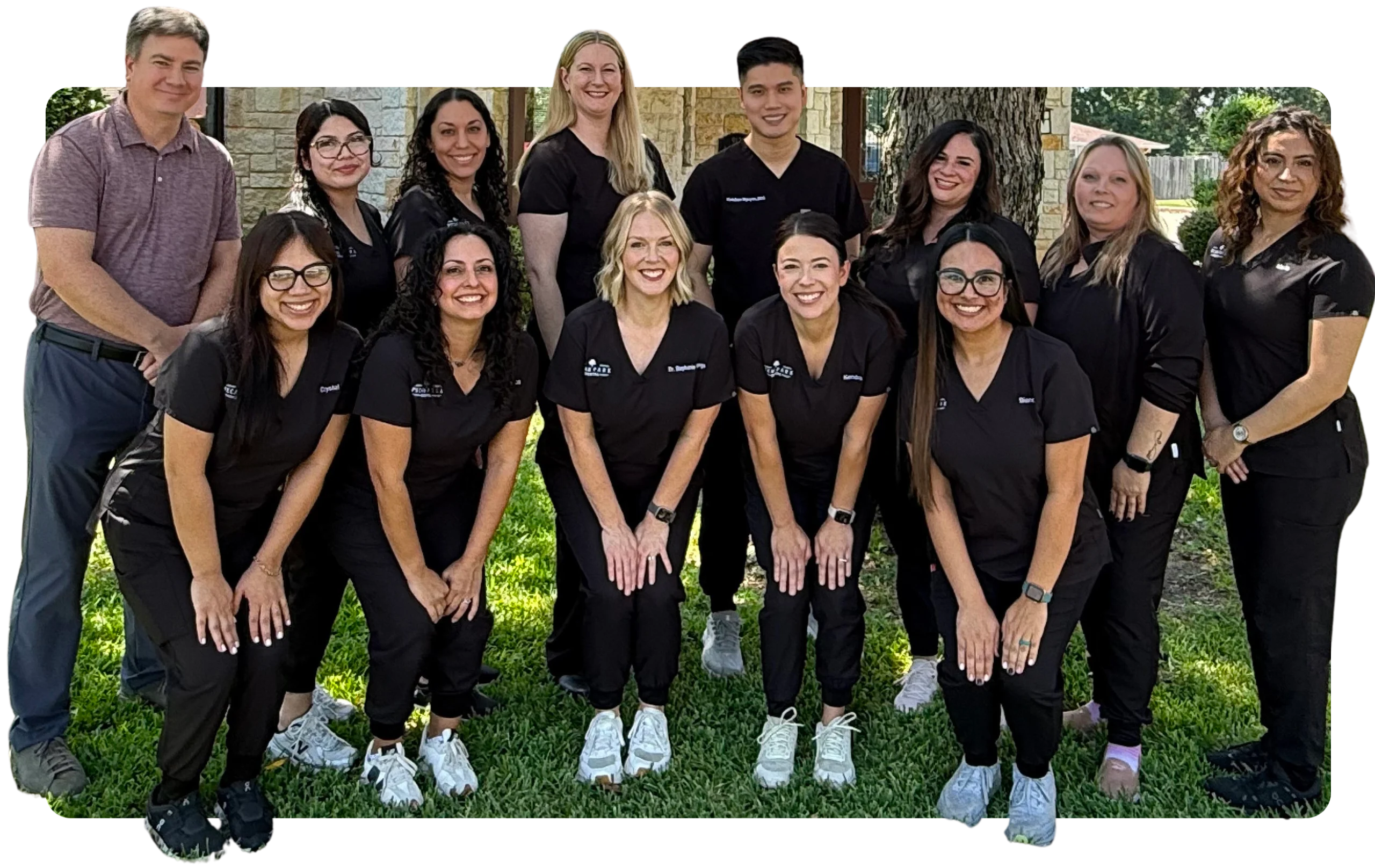
We want you to leave with more than just a great smile – we want it to be genuine and happy! Reach out to experience improved health, renewed confidence, and such deep trust in our care that you become a raving fan of our practice.
Related Services
General Dentistry
Cosmetic Dentistry