You Don’t Always Have to Feel Exhausted
Consider Comprehensive Sleep Apnea Treament
Are You…
- Snoring loudly every night?
- Hearing comments that you gasp or choke in your sleep?
- Feeling excessively tired during the day, no matter how much you sleep?
- Waking up with headaches?
- Finding it hard to concentrate and experiencing brain fog?
- Suffering from mood swings?
You Might Be Experiencing Sleep Apnea
The good news is: the solution to all your sleep problems could be a quick visit to Dr. Stephanie Bangs here at Pecan Park Dental.
Schedule a visit today, right here in Arlington, to take back your sleep and experience potentially life-changing results, and all without having to sleep with a bulky CPAP machine covering your face for the rest of your life!
What Is Sleep Apnea?
Sleep apnea is a health disorder that causes repeated pauses in your breathing while you sleep. These pauses can last up to 30 seconds. This means you are left without oxygen for half a minute repeatedly throughout the night. It might not sound like very long, but your body reacts to each of these “episodes,” and that takes a toll over and above the dangers to your health.
There are two types of sleep apnea, but the most common type Dr. Bangs treats is Obstructive Sleep Apnea (OSA). If you suffer from OSA, your airway (the opening at the back of your throat) gets constricted or blocked while you sleep.
How Dr. Bangs Identifies the Cause
Unlike providers who simply treat the symptoms, Dr. Bangs looks for the structural root cause of your obstruction.
- Maxillary hypoplasia: This is when your upper jaw hasn’t developed properly to leave enough space for your tongue. It leads to the tongue blocking your airway when you sleep.
- Mandibular retrognathia: This is when your lower jaw is set too far back which closes off your airway.
- Your Tongue Position: Your tongue might be tied or might be resting in a position that blocks your airway.
- Or all of the above
How Does a Tongue or Lip Tie Cause Sleep Apnea?
You may be surprised to learn that a small piece of tissue in your mouth could be the reason you are having restless nights. Dr. Bangs checks for a tight band of tissue under the tongue (known as a tongue tie) or behind the lip (known as a lip tie) that restricts movement in your mouth and impacts how you breathe.
- Blocking your airway: A tied tongue cannot rest on the roof of your mouth. This causes it to fall back into your throat while you sleep and obstruct your airway.
- Impacting jaw development: Limited tongue movement affects the proper growth and shape of your palate and jaw, which potentially leads to a smaller airway.
- Causing poor oral posture: When your tongue is not positioned correctly, it can lead to mouth breathing. This is a key contributor to sleep apnea.
Through a simple procedure called a frenectomy, Dr. Bangs can release this tight tissue. This restores proper oral function to improve your ability to breathe and has the potential to address a primary cause of your sleep apnea.
The Effects Of Sleep Apnea on Your Health
All across America, there are people suffering from sleep apnea, and most of them have no idea. Children can experience sleep apnea, too, and the effects can be even more damaging because their brains and bodies are still growing and developing.
With sleep apnea, you experience:
- Reduced levels of oxygen in your brain
- Excessive sleepiness
- Depression
- Chronic fatigue
- Diminished reflexes and difficulty learning or remembering things
- Significantly reduced performance at school or work
If your oxygen reaches very low levels, sleep apnea can also lead to heart irregularities and high blood pressure, putting you at risk for hypertension, diabetes, or a stroke.
How We Can Help
Your Initial Consultation
When you come in for a sleep apnea consultation, Dr. Bangs will personally guide you through:
- A preliminary health questionnaire
- A gentle exam of your head and neck
- A CBCT scan and some intraoral photos & measurements
- An in-home sleep test
Your Treatment Options
Lifestyle Changes
This is a great first step and might be enough to reduce or eliminate your sleep apnea. These changes include losing weight, eating a healthier diet, and avoiding relaxants such as alcohol before bed. Dr. Bangs normally advises you try these before considering alternative treatments.
Orthodontics
In some cases, narrow jaws can contribute to sleep apnea by restricting the space available for your tongue. We can combat this with orthodontic treatment. Clear aligner trays can gradually widen your jaws, creating more room and improving airflow.
Mandibular Advancement Device (MAD)
Our MAD of Choice: The Vivos® System
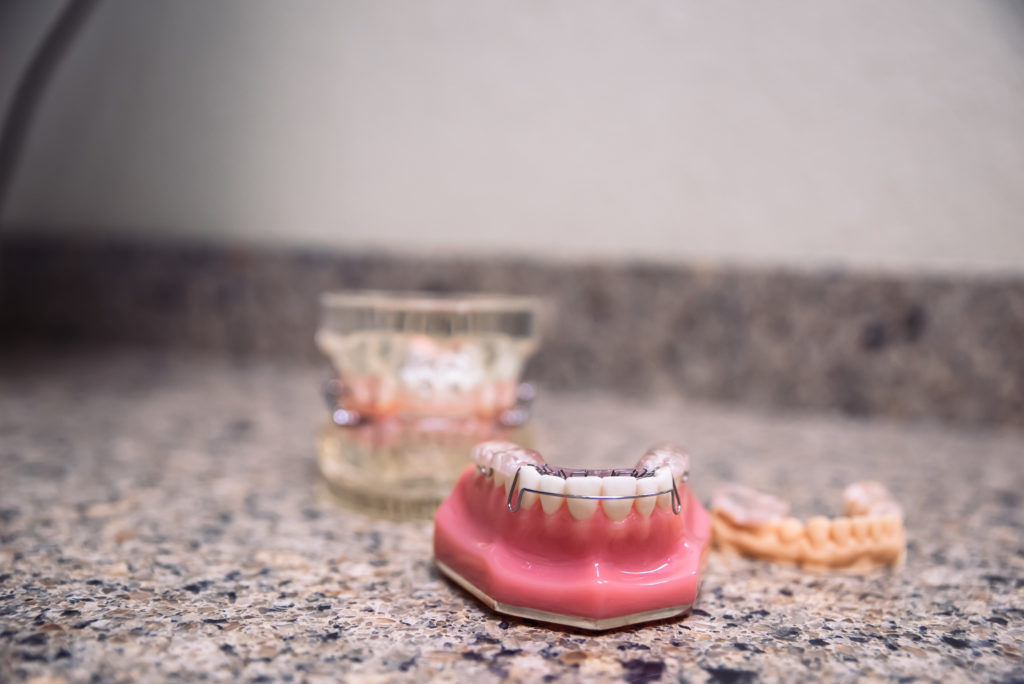
A MAD is an oral appliance that moves your lower jaw forward. This helps open your airway by preventing your tongue from collapsing backward while you sleep. Dr. Bangs usually recommends using this when your airway is narrow but your jaw is the proper size. You might benefit from a combination of orthodontics to widen the jaws and a MAD to further open your airway.
Our MAD of Choice, The Vivos® System: We are a Vivos® Integrated Practice, and the MAD we use is the Vivos® System.
The Benefits Of The Vivos® System:
- It’s a non-invasive, non-surgical approach
- The device is designed specifically for your mouth
- Its compact, retainer-like design ensures maximum comfort
- There is no need for any medications, as the treatment relies purely on structural changes
- If your treatment is successful, you can enjoy permanent results
Tongue Evaluation And Treatment
Dr. Bangs assesses your tongue’s position and movement to determine if it is contributing to airway obstruction. She checks specifically for a tongue-tie that restricts movement. Treatments may include exercises to improve your tongue posture or a procedure to release your tongue-tie. This allows your tongue to rest in a better position.
Laser Treatment
This option is best if you experience snoring without an actual obstruction stopping your breathing during sleep. The minimally invasive laser treatment aims to tighten the collagen in the back of your throat. This can increase your airway opening and reduce snoring. The procedure involves three sessions spaced 3 to 4 weeks apart. You might experience a mild sore throat for a day after each session, but the effects quickly subside after that.
Ready To Take Back Your Sleep?
Get started by scheduling an appointment with Dr. Bangs and then completing the form below before your visit. With comprehensive sleep apnea treatment, you can finally get the deep, restorative rest you’ve been missing.
Frequently Asked Questions
Can the Vivos system help with all types of sleep apnea?
While the Vivos system primarily targets obstructive sleep apnea (OSA), it may also benefit individuals with mild to moderate forms of sleep-disordered breathing like snoring and Upper Airway Resistance Syndrome (UARS). It is essential to undergo a comprehensive evaluation with Dr. Bangs to determine the most appropriate treatment approach for your condition.
How long does treatment take?
While your oral anatomy is unique, it is best to wear your Vivos device daily for between 12 and 24 months. Your days remain unchanged, and you wear it primarily in the evening and at night while you sleep. You should start feeling the effects of treatment within the first few days or weeks.
Is the Vivos treatment appliance uncomfortable?
Most patients find Vivos oral appliances comfortable to wear during sleep with minimal to no side effects. However, some may experience temporary jaw discomfort or changes in bite alignment during the adjustment period. These issues typically resolve as your jaw muscles adapt to the new positioning. Dr. Bangs works closely with you to address concerns and ensure your comfort throughout the treatment process with advice, adjustments, and coaching tailored to you.
Does the Vivos system fully replace CPAP therapy?
While continuous positive airway pressure (CPAP) therapy remains the gold standard for treating moderate to severe sleep apnea, the Vivos system offers a viable alternative for individuals who are intolerant or non-compliant with CPAP. Our patients appreciate the convenience, portability, and comfort of oral appliance therapy. However, the choice between CPAP and oral appliance therapy should be made in consultation with Dr. Bangs based on your individual needs. Where an oral appliance is more comfortable, your health always comes first, and we’ll guide you through the process for the right fit.
Leave with a Genuine Smile
We want you to leave with more than just a great smile – we want it to be genuine and happy! Reach out to experience improved health, renewed confidence, and such deep trust in our care that you become a raving fan of our practice.
Related Services
General Dentistry
Cosmetic Dentistry